Web applications
Software that does a job for the business rather than describing it. Member portals, booking platforms and internal tools, built in Laravel in Belfast.
Scope your applicationSoftware that does a job for the business, rather than describing it.
Member portals, booking platforms, course delivery and the internal tools that quietly run a company. We build these when spreadsheets and off-the-shelf products have stopped coping, and we architect them to keep working as the business grows rather than to just clear the current backlog.
Secure member portals, roles and login.
Courses, video and learning management.
Monitor and report on what users achieve.
The features that make people come back.
Real insight into how the thing is used.
Connected to the tools you already run.
Who it is for
Tick anything that sounds familiar.
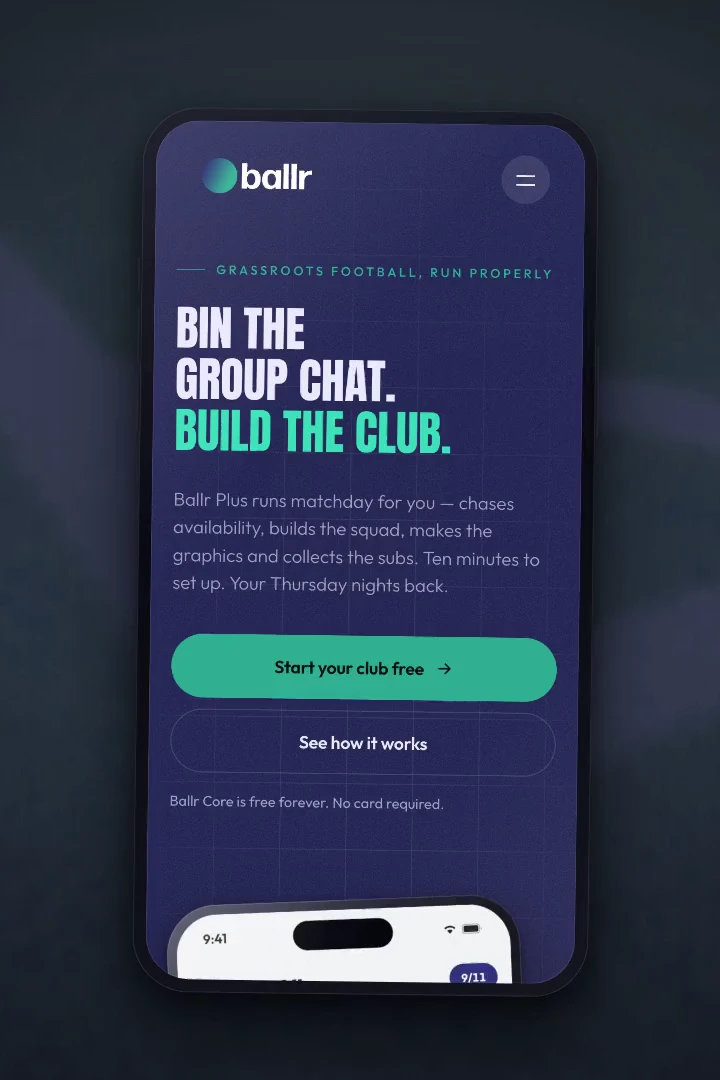

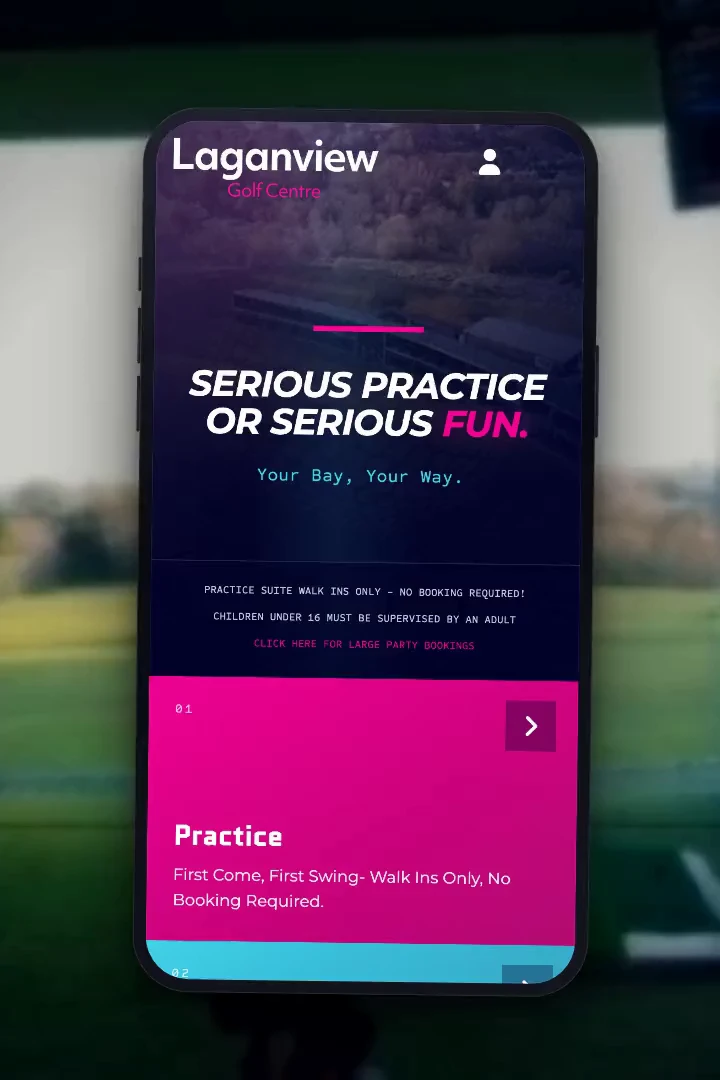



Worked quite extensively with the guys for many months on a bespoke project they done for our recruitment site. Professional and attentive from day one, always in contact for updates and opinions and genuinely no stone left unturned, and it shows through the website they created.
How we deliver
A fixed price agreed first, and the same people the whole way through.
We'll meet with you to understand your business processes, pain points, and objectives. This helps us identify opportunities where a custom web application could streamline operations and drive efficiency.
We'll create detailed specifications outlining the application's features, functionality, and technical requirements. This includes user stories, workflow diagrams, and a development roadmap with clear milestones.
Our team will design an intuitive user interface that makes complex processes simple. We create interactive prototypes to demonstrate the user experience and gather feedback before development begins.
Using modern frameworks like Laravel and Vue.js, we build your application with clean, maintainable code. We follow an agile approach, delivering features in iterations and gathering feedback throughout the development process.
We conduct thorough testing of all features, security measures, and integrations. Performance optimisation ensures your application runs smoothly under real-world conditions. User feedback helps us refine the interface and functionality.
After deployment, we provide training for your team and ongoing technical support. We monitor performance and can implement new features as your business needs evolve.
You get the approach, what is in, what is out, a timeline and a price before anything starts. No hourly rate quietly running in the background.
How much of it is bespoke, how many systems it has to talk to, and how much content needs moving across. We will tell you which of those is driving the cost.
A monthly plan covering updates, backups and small changes, priced separately so you can see exactly what the ongoing commitment is.
What counts as a web application rather than a website?
A website tells people about the business. A web application does a job for it. If people log in, if records are created and updated, if something is calculated, scheduled, approved or reported on, it is an application. Member portals, booking platforms, course delivery, quoting tools and internal admin systems all sit on this side of the line.
Can it replace the spreadsheet we currently run on?
Usually yes, and it is the most common reason clients come to us. A spreadsheet works until two people need it at once, until a formula breaks quietly, or until the only person who understands it is on holiday. We map what the spreadsheet actually does first, including the parts nobody documented, then build software that does the same job with proper accounts, permissions and an audit trail.
How long does a web application take to build?
A focused first version is usually eight to sixteen weeks. Larger systems run longer and we break them into phases so something useful goes live early rather than everything arriving at the end. We scope the work before quoting, so the timeline you get is based on your requirements rather than an average.
Can it connect to the systems we already use?
Yes. We write integrations as part of the build, so the application can talk to your accounting software, CRM, payment provider, email platform or anything else with an API. Where a connector already exists we use it. Where one does not, we write it.
Who owns the code when it is finished?
You do. The code, the database, the domain and the hosting accounts are all in your name, and you can take them elsewhere at any point. We host and maintain most of what we build because clients ask us to, not because you are locked in.